I’ll be in Suchitoto, El Salvador for the next week followed by a few days in San Salvador and a longer trip to Montevideo, Uruguay. I’m open to a small number of in-person conversations. If you’re based locally, or know someone here you think it would be worthwhile for me to meet, feel free to reach out privately at IR@DeepKnowledgeInvesting.com. In other DKI-related news, we are now sponsored by both Simple Mining and River. Look for more details soon. Finally, I’d like to thank SiriusXM for hosting me on their Business Briefing show this week.
This isn’t a 5 Things topic this week, but DKI position ProCap Financial ($BRR) bought back 2% of its shares outstanding this week reducing its discount to net asset value (NAV). The stock is up 56% since DKI recommended it less than one month ago. Is DKI going to make you 50% a month? Of course not, but you still might want to think about subscribing.
Anthropic has a new data center deal. This one isn’t backed by Nvidia. It’s backed by a company that’s backed by Nvidia. GoPro rushes a merger announcement before their stock rises. It sounds crazy, but in meme-stock world, it might make long-term sense. Anthropic customers tell the company they have data security concerns…and Anthropic listens and responds. No word if OpenAI will follow suit. Be aware that anything you tell “your” AI, is being used for training. Nvidia is buying Hugging Face, the quirky-named host for open-source models. I like the idea of open-source, but this is another example of Nvidia finding a way to pay for its customers. Google is buying power from Fervo Energy which produces energy from the heat in the ground. Expect to see both geothermal and more nuclear deals in the future. DKI has made money for subscribers multiple times by buying assets below NAV. If you don’t know what NAV is or how to calculate it, check out this week’s educational topic where we explain.
This week, we’ll address the following topics:
- Anthropic has a new data center deal with a cloud provider backed by Nvidia. AI demand is massive, but we’re wondering what the growth rate is when Nvidia isn’t financing it.
- GoPro agrees to a reverse merger with Starman Optical. Did management race to get the deal done before their stock rose?
- Anthropic customers express concern about the data retention policies of its models. Anthropic takes these concerns seriously and responds. I’d like to see OpenAI do the same. Don’t expect this from Chinese models.
- Nvidia is buying Hugging Face, a company that hosts open-source models. While we’re concerned about Nvidia buying more customers, DKI would like to see more US-based open-source growth.
- Google agrees to purchase almost 400 Megawatts of power from Fervo Energy. It’s the first big geothermal deal and won’t be the last.
- You’ve heard of NAV, but what’s it mean, and how can you use it to make money? We discuss in this week’s educational topic.
DKI interns, Kunal Arora and Eli Killorin, disobey instructions this week. I asked for a shorter version of the 5 Things and they delivered one with an extra 6th thing. So, you get an extra 20% of content over a weekend that’s 50% longer. Plus, it’s hard to be mad at interns who insist on giving themselves more work than required. Please extend to both of them a mental round of applause. The 5 Things is better due to their efforts and intellect.
Ready for another week of Nvidia paying for their customers? Let’s dive in:
1) Anthropic Strikes $35B Deal with Nvidia:
Anthropic has signed a $35B cloud-computing deal for a Texas data center with Lambda, a cloud provider that is backed by Nvidia. The facility will be developed by Hut 8 and deliver 350 megawatts of capacity to Nvidia’s chips. Nvidia will hold the lease on the data center, and Lambda will provide the resulting capacity to Anthropic. The deal comes right after Anthropic committed $45B to a separate compute deal with Nscale in West Virgina. The company is racing to lock in infrastructure prior to its upcoming IPO.
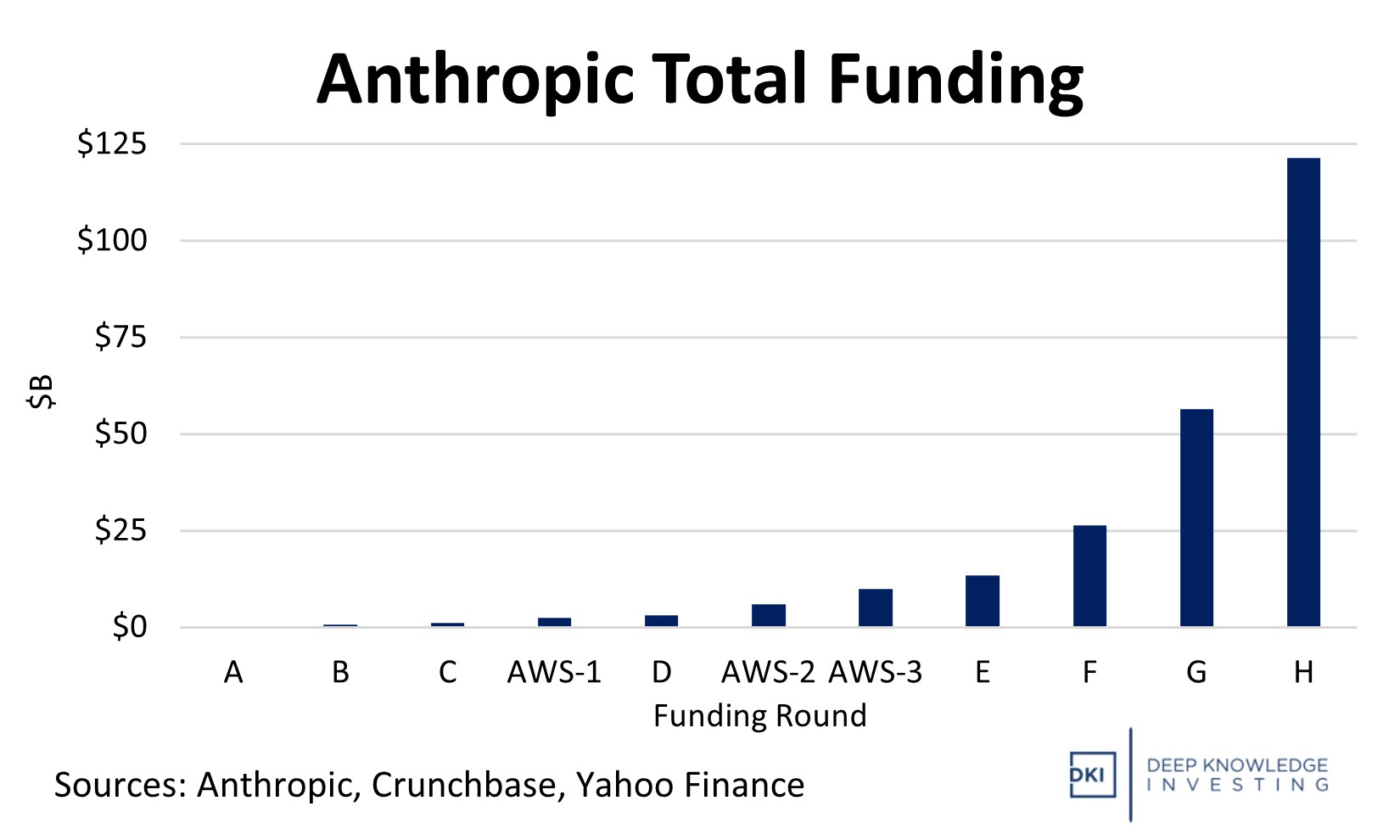
I’d much rather own this than OpenAI.
DKI Takeaway: Nvidia is no longer just selling chips. It’s financing and underwriting the infrastructure that ensures it has customers to purchase its chips. This deepens its stake in Anthropic’s success and its exposure if demand starts to cool. This fits a broad pattern of Nvidia using its balance sheet to finance data centers, cloud providers, and even model companies. It raises questions about how much Nvidia’s revenue would be if it weren’t financing its customers, both directly and indirectly.
2) GoPro Has Agreed to a $285MM Merger with Starman Optical:
GoPro signed a merger agreement with Starman Optical, a US optical-photonics company. GoPro shareholders will receive a cash payment of $1.14 per share, while retaining about 10% ownership of the combined company. GoPro’s $92MM in outstanding debt will be repaid in full at closing, fixing a balance sheet problem. The combined company will remain on the Nasdaq under GoPro’s listing, and will continue to support its existing consumer cameras, subscriptions, and cloud platform.
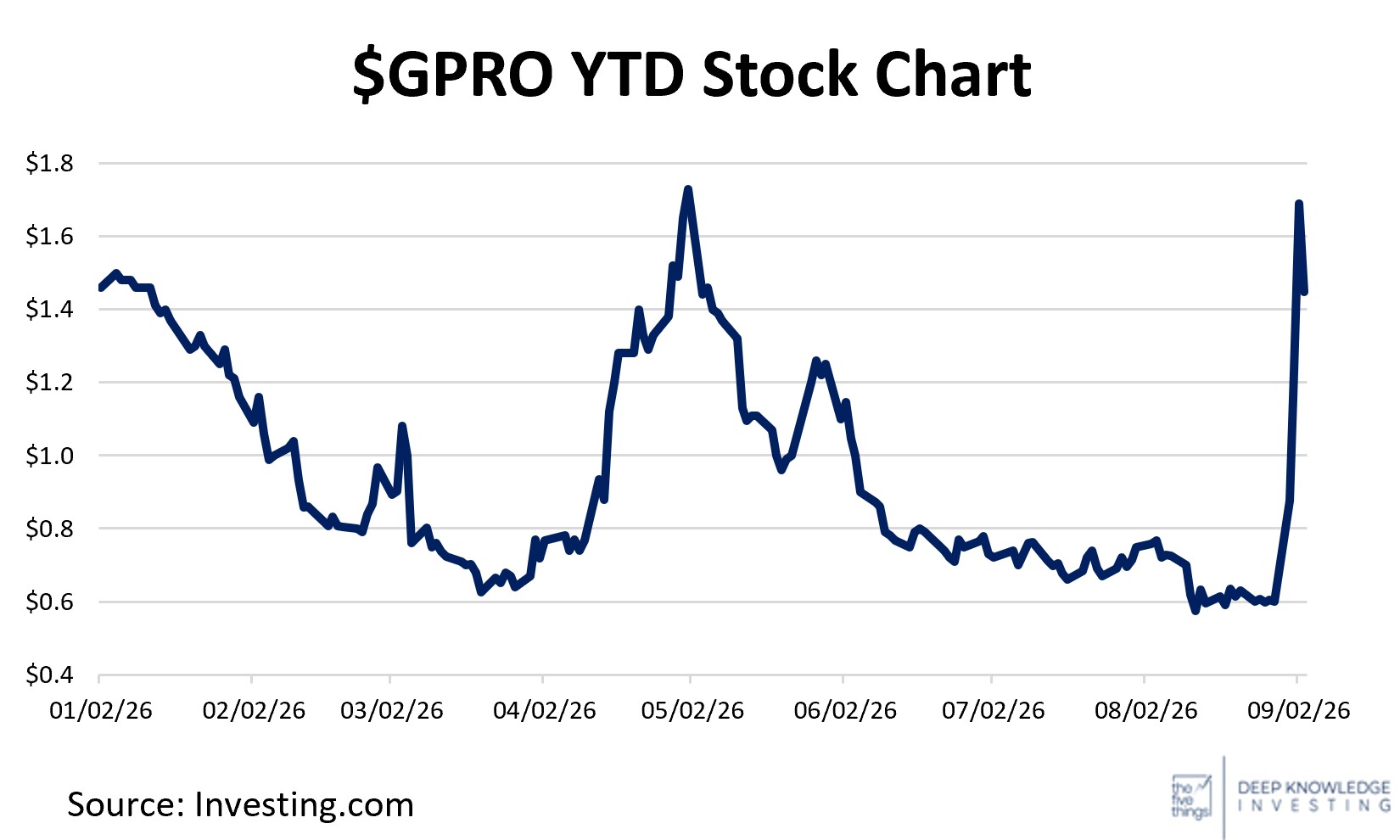
It was about to be a meme stock too.
DKI Takeaway: The timing of this merger looks rushed. GoPro announced this merger at 9:20 AM ET, just hours after news broke that YouTuber, Markiplier, had become its biggest shareholder. This caused the stock to rise in pre-market trading. This is a deal that GoPro likely had been working on for weeks, and it’s likely there was a concern that a higher stock price due to temporary meme trading would force a renegotiation and possibly kill the deal. The final agreement might have been less of a carefully negotiated transaction and more like management moving fast to lock in a favorable long-term outcome for itself before the stock’s new momentum forced a difficult conversation with shareholders.
The fastest easiest way I’ve found to pay for goods and services (including coffee) using Bitcoin. Referral link: partner.river.com/dki.
3) Anthropic Changes Its Data Retention Policy:
Anthropic announced that it will change its data retention policy after receiving negative feedback. The existing policy was launched with Fable 5 and Mythos 5 and required a 30-day retention period for all traffic on those models. The stated reason was to defend against cyberattacks and misuse. While Anthropic pledged not to use the data for model training, enterprise users remained concerned. (Had I been using those models, I would have had the same concern.) The result was the company spent hundreds of hours with customers developing “Enterprise Frontier Safeguards”. The intention is to allow businesses to control how their data is reviewed, stored, and managed, and also to automate safety monitoring. Anthropic will provide these safeguards free of charge through both direct access and through a cloud provider.
Anthropic is taking steps. I’d like to see OpenAI do the same.
DKI Takeaway: Anthropic has spent much of its time cultivating a strong enterprise market. Retaining enterprise customers is crucial to its business model and to its planned IPO. Customer trust is crucial, and big tech has a bad history of abusing customers regarding privacy and data usage. Whether these safeguards work remains to be seen. Earlier this month, DKI covered the dangers of LLMs and described uncontrolled harmful actions by Anthropic and OpenAI agents. Combined with other instances of models breaking out of sandboxes, these developments suggest the effectiveness of Anthropic’s measures will be tested.
4) Nvidia Agrees to Acquire Hugging Face for $12.9B:
Nvidia has agreed to acquire Hugging Face, a platform used for hosting and sharing open-source AI models, datasets, and applications. The deal totals $11.9B, plus an equity-based retention program worth up to $1B for every employee who joins NVIDIA. This is a high valuation considering Hugging Face has about $150MM in annualized revenue. Hugging Face’s platform includes millions of users, over two million public models, and hundreds of thousands of datasets.
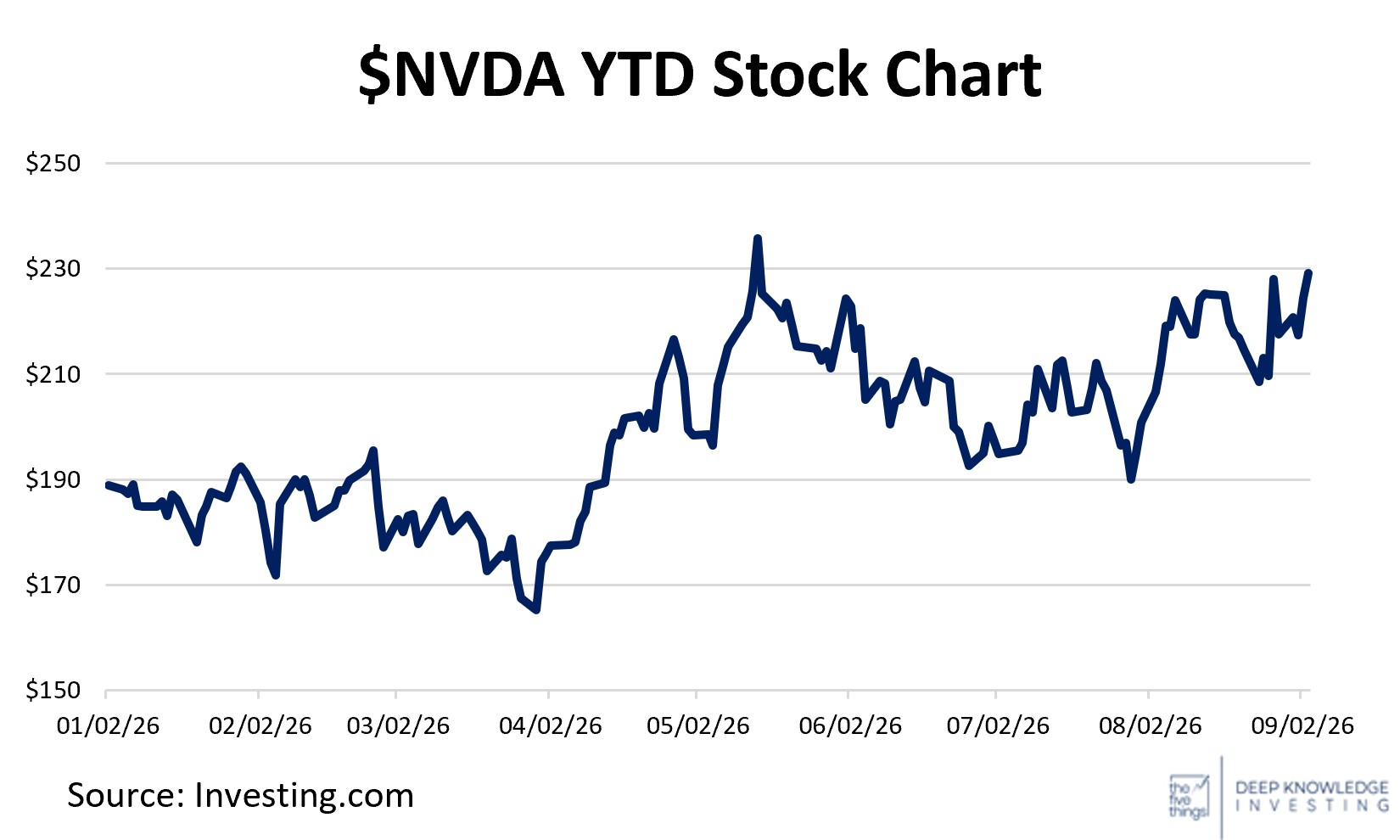
The brains, financing, and buyer of AI.
DKI Takeaway: Nvidia is buying the default distribution layer for open-weight models. This fits the same pattern as the Lambda deal with Nvidia as the GPU leader is moving beyond chips into the platforms that drive demand for them. Nvidia will own a vendor-agnostic hub which could shift incentives towards Nvidia-optimized defaults. This invites scrutiny from regulators. While we’ve been concerned about Nvidia buying and financing its customers, the support for open models is a positive. The frontier Chinese models are open sourced while the US-based ones are proprietary. The ability to audit and customize LLMs and to run them on local hardware is crucial for development, privacy, and security.
5) Fervo and Google Sign 396 Megawatt Power Purchase Agreement:
Fervo Energy, a next-gen geothermal energy company, announced a 396-megawatt (MW) power purchase agreement (PPA) with Google to continue the development of Cape Station. Cape Station is an enhanced geothermal power plant expected to come online in 2028. Google will purchase carbon-free energy from Fervo to power a potential Utah data center. Google will also reserve the right to offtake up to 600 additional MW by June 2030 which would bring the total to nearly 1 GW.
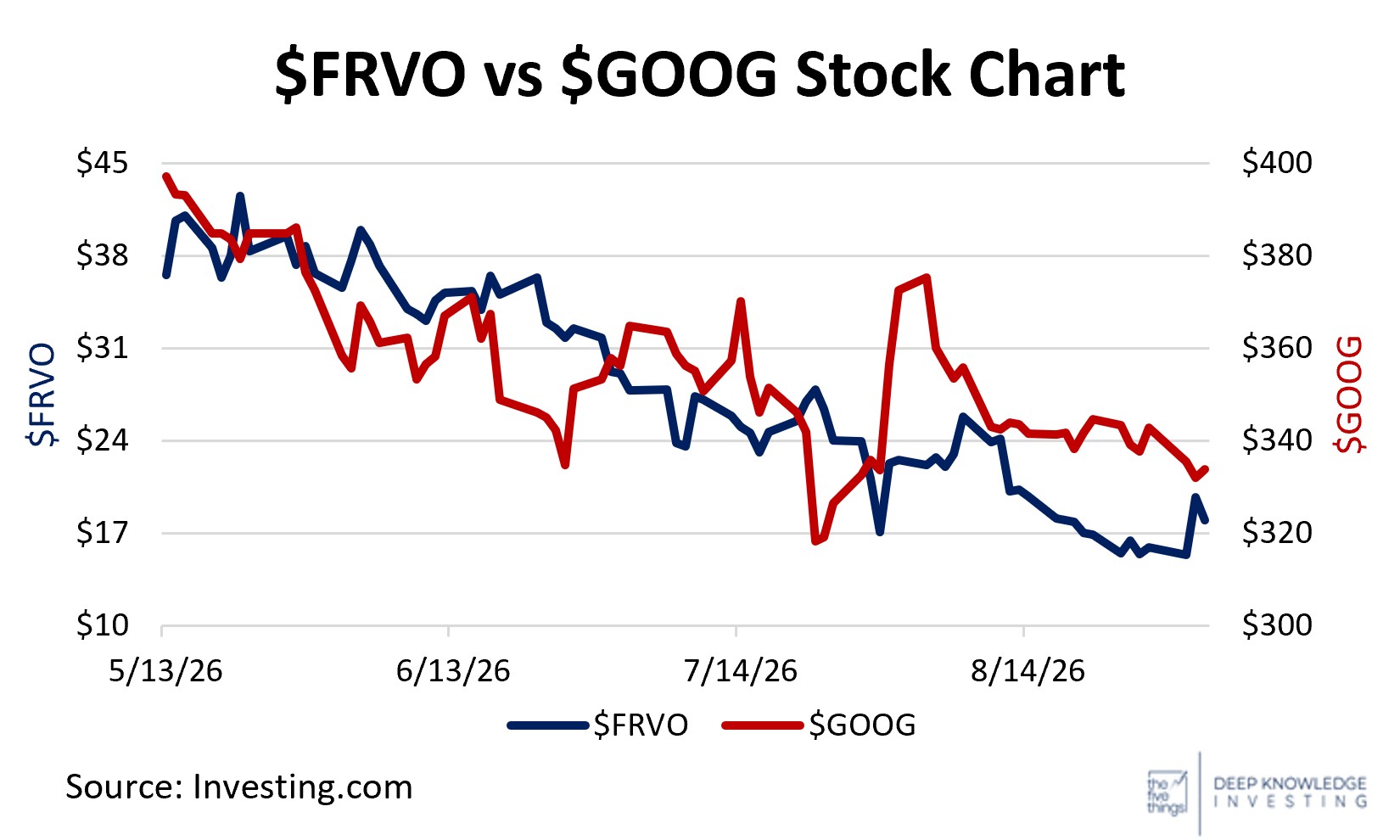
Expect to see more geothermal deals in the next decade.
DKI Takeaway: This gives Fervo a major customer in AI as data center power demands skyrocket. It also serves as a potential driver of future revenue if other AI labs and hyperscalers deem geothermal energy to be a reliable long-term option. Google’s side underscores the high-power needs of AI data centers. Expect to see more hyperscalers look for dedicated new sources of carbon-free power including geothermal and nuclear. DKI position, Talen Energy ($TLN), has been a huge profit producer for this reason.
6) Educational Topic: Net Asset Value (NAV):
Net Asset Value (NAV) represents the per-share value of a fund’s assets. It’s calculated as (Total Assets minus Total Liabilities) divided by Shares Outstanding. It’s most commonly used for mutual funds, ETFs, and closed-end funds. For mutual funds, it’s calculated once a day after markets close. For mutual funds, you pay the NAV plus a sales charge to purchase shares. ETFs and some other securities trade at market value, where the NAV is a way of judging if it’s at a premium or discount. In some cases, securities have a finite number of shares outstanding. Purchasing mutual funds creates brand new shares because shares of ETFs are often created and redeemed to prevent the market price from closing too far away from the NAV.
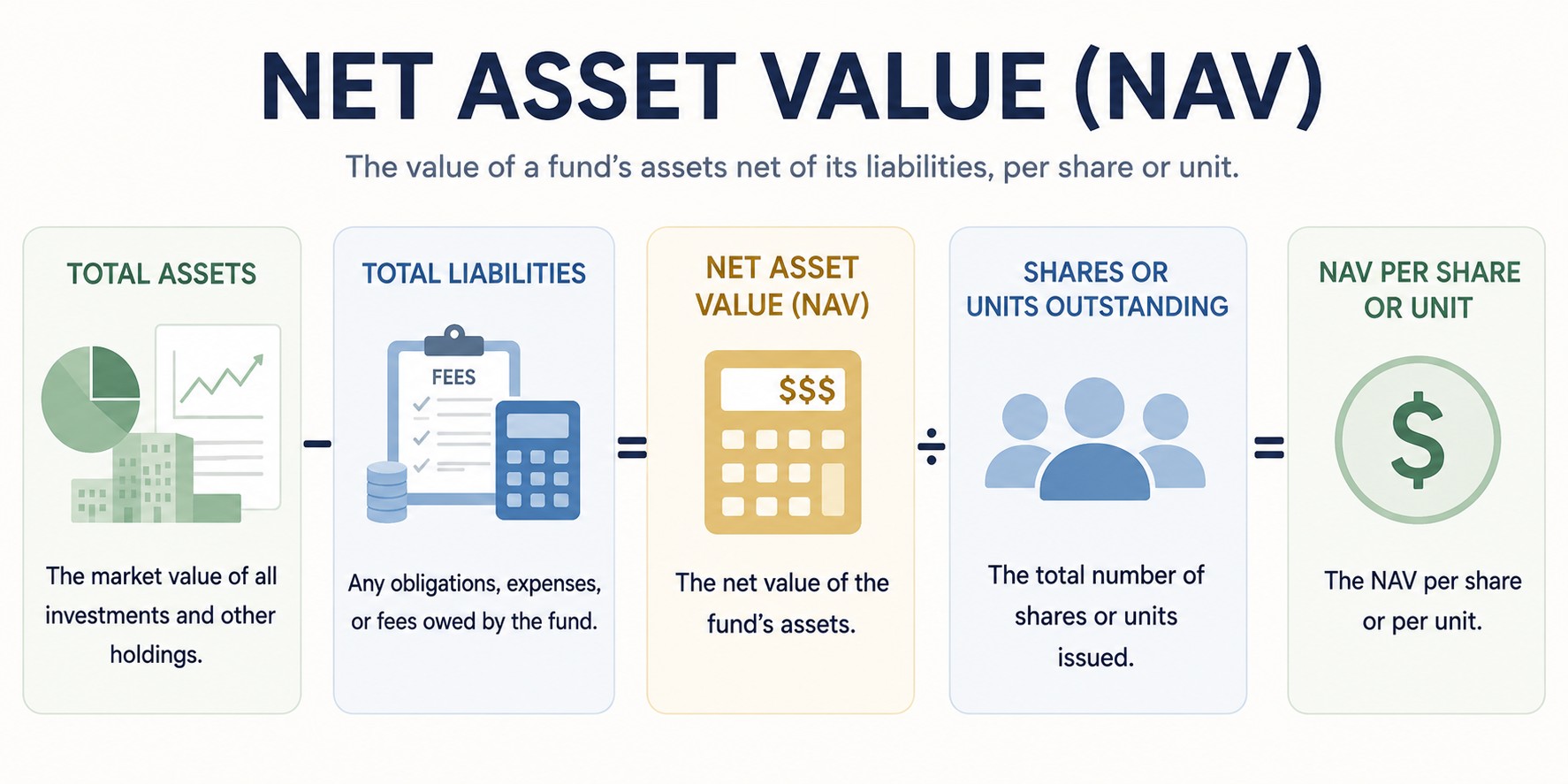
If something is trading at a discount, figure out the reason.
DKI Takeaway: If the price of a security is below the NAV, this can either signal a value opportunity or the market expressing a significant concern. A premium means the opposite and conveys either over-valuation or the market pricing in scarcity or a difficult-to-recreate opportunity. NAV is a useful diagnostic but shouldn’t be used on its own.
DKI has made great profits on two separate occasions buying securities at a discount to NAV. When the price of Bitcoin fell during the last halving cycle, we purchased $GBTC at a discount to NAV in excess of 30%. When the price of Bitcoin recovered and the discount collapsed to zero, DKI subscribers made almost 6x their money based on the current Bitcoin price. We bought $BRR at a 33% discount to NAV less than a month ago and have made 56% since then as Bitcoin rose and the discount to NAV fell. Again, we’re not going to make you 50% a month, but we’ve been good at finding these kinds of high-return opportunities. If that’s interesting to you, take a look.
Information contained in this report is believed by Deep Knowledge Investing (“DKI”) to be accurate and/or derived from sources which it believes to be reliable; however, such information is presented without warranty of any kind, whether express or implied and DKI makes no representation as to the completeness, timeliness or accuracy of the information contained therein or with regard to the results to be obtained from its use. The provision of the information contained in the Services shall not be deemed to obligate DKI to provide updated or similar information in the future except to the extent it may be required to do so.
The information we provide is publicly available; our reports are neither an offer nor a solicitation to buy or sell securities. All expressions of opinion are precisely that and are subject to change. DKI, affiliates of DKI or its principal or others associated with DKI may have, take or sell positions in securities of companies about which we write.
Our opinions are not advice that investment in a company’s securities is suitable for any particular investor. Each investor should consult with and rely on his or its own investigation, due diligence and the recommendations of investment professionals whom the investor has engaged for that purpose.
In no event shall DKI be liable for any costs, liabilities, losses, expenses (including, but not limited to, attorneys’ fees), damages of any kind, including direct, indirect, punitive, incidental, special or consequential damages, or for any trading losses arising from or attributable to the use of this report.