I just arrived in Montevideo, Uruguay. After that, I’ll have a week in Buenos Aires, a week in Florence, and will spend November in Japan. I’m open to a small number of in-person conversations. If you’re based locally, or know someone in those locations you think it would be worthwhile for me to meet, feel free to reach out privately at IR@DeepKnowledgeInvesting.com. In other DKI-related news, we are now sponsored by both Simple Mining and River.
If you are interested in accumulating Bitcoin via mining, I’ve been mining with Simple Mining and it’s been a great experience you can check them out here: https://www.simplemining.io/garybrode . It’s even easier than you think.
This week, former DKI intern, Alex Petrou, and I released a new Bitcoin white paper answering the question of whether Bitcoin is a currency. You can read it here. I’d like to thank SiriusXM for hosting me on their Business Briefing show last week. I also had the pleasure of filming new podcasts episodes with Jackson Mikalic of Onramp Bitcoin and Marty Bent of TFTC. Look for those to be released early this week.
DKI stock pick $BRR is up more than 100% since we bought it last month. That’s three new positions that returned more than 100% in the past two months. Is DKI going to make you more than 100% a month? Of course not, but you still might want to think about subscribing.
This week, we’ll address the following topics:
- FOMC hikes by 25bp. Pointless Panic Ensues. Bond market shrugs.
- Anthropic asks the government to stop them from developing AI. Since they can stop themselves, I’m going to suggest there’s an alternate motive.
- Bitcoin white paper is out and DKI takes on the question of whether Bitcoin is a currency.
- $BRR has a big week including a stock buyback, addition to two Russell indexes, and impressive financial metrics. The stock is up more than 100% since DKI bought it last month.
- Educational Topic for this week is oil and gas limited partnerships written by the DKI interns. Let us know if they got the details right.
It’s time to take a moment to appreciate DKI’s current interns, Kunal Arora and Eli Killorin, who made their usual excellent contribution to this week’s 5 Things. Please extend to them a mental round of applause as you read. We also congratulate former DKI intern, Alex Petrou, who co-authored DKI’s new Bitcoin white paper with me.
1) FOMC Hikes 25bp. Pointless Panic Ensues:
As expected, the Federal Reserve raised the overnight rate by 25bp (.25%). I think this was both the right move and irrelevant. The Fed cited high inflation, high spending, high employment, and solid economic growth. The dot plot shows 2 Governors who expect to keep the current fed funds rate through year end, 12 who expect to hike by an additional 25bp, and 4 who expect to hike by an additional 50bp by year end. Commentators who wanted the Fed to hold or cut are citing disinflation (that’s inflation but at a slower pace) and supply shocks from higher oil. I note that the Core CPI (all-items less food and energy) has been above the 2% target for more than half a decade. They don’t have inflation under control even backing out higher oil prices so if they’re not going to hike then they should admit the target is now 3% – 4%.
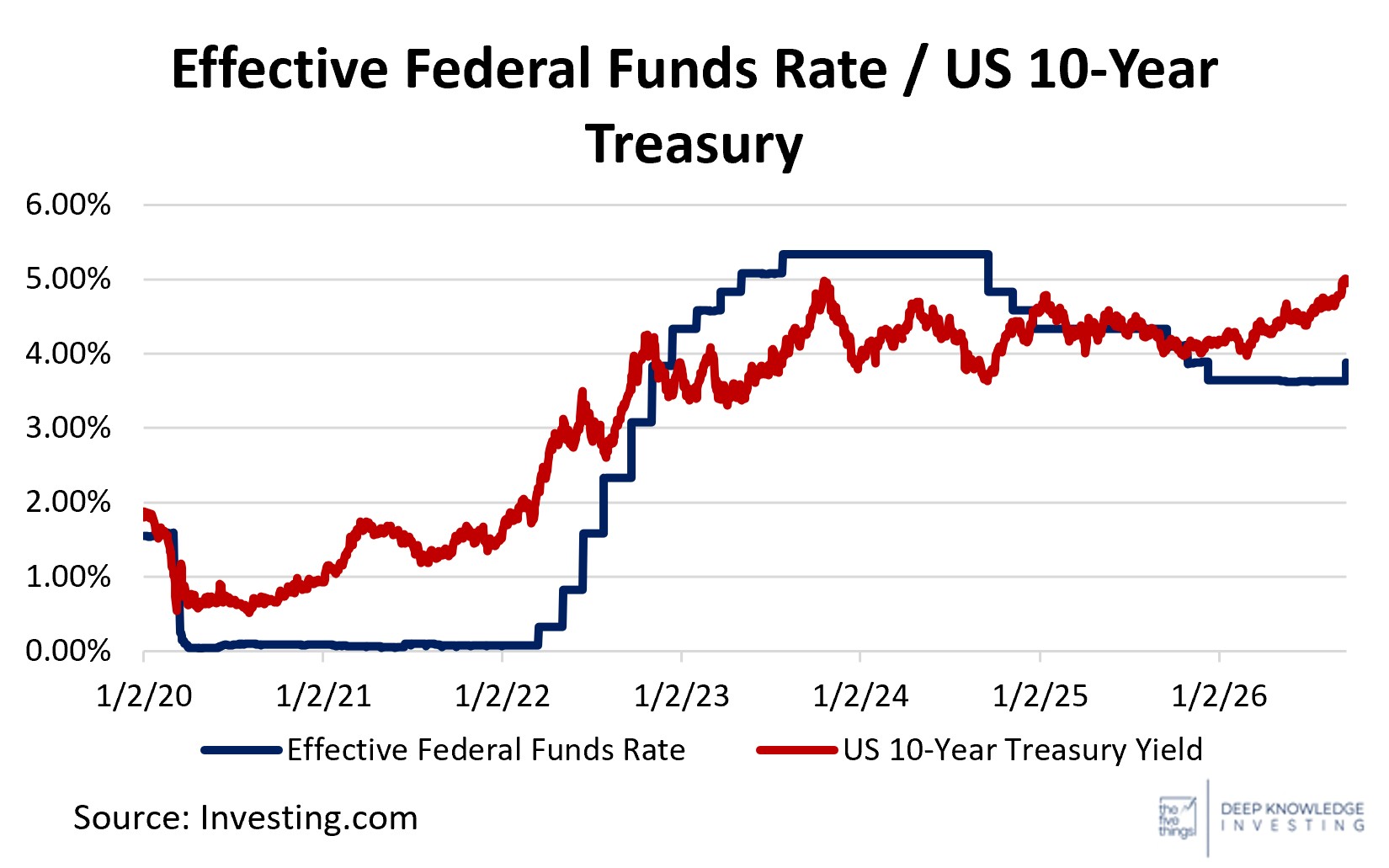
Lowering the fed funds rate did not lead to lower mortgage rates.
DKI Takeaway: I don’t think the rate hike matters. Inflation (as experienced through higher prices) is continuing due to an expansion of the money supply (the true definition of inflation). This is because Congress overspends by trillions of dollars a year. We are funding guns (overseas military bases and wars), butter (a massive growing social safety network that incentivizes people not to work), the future (off balance sheet unrecognized liabilities for programs like Social Security, Medicare, and pensions which total over $200T), interest (Ponzi printing to pay for the interest on what we printed last year) and fraud (DOGE uncovered massive theft that no one in Washington DC wants to address). This is not sustainable and can’t be paid for by taxing billionaires. Like every fiat currency before it, expect continued loss of purchasing power due to inflation. The bond market sees this and is pricing in higher inflation regardless of what the Fed does with the fed funds rate. We had roughly a year of cuts and a year of holding and the 10-year Treasury yield rose. As I write this, the 10-year yield is up 1bp (.01%) for the week and the 30-year yield is down. For those who want the Fed to cut to get lower mortgage rates, I want to know how. Reducing the fed funds rate doesn’t lead to lower mortgage rates and the bond market knows this.
2) Anthropic and Other AI Leaders Call for Slowdown in AI Development:
Anthropic’s CEO published an essay calling for regulation and a slowdown in AI development. The essay also included a three-part plan: independent 3rd-party evaluators, industry-wide standards, and government-level coordination. Elon Musk (xAI) and Sam Altman (OpenAI) both echoed the idea, with Altman specifically endorsing the third-party evaluator. This follows former momentary Anthropic employee, Jacob Coxon’s, resignation post on X, a pre-planned media-assisted viral event. In an interview with the BBC, Coxon claimed that without a slowdown “we could all die in the immediate future.”
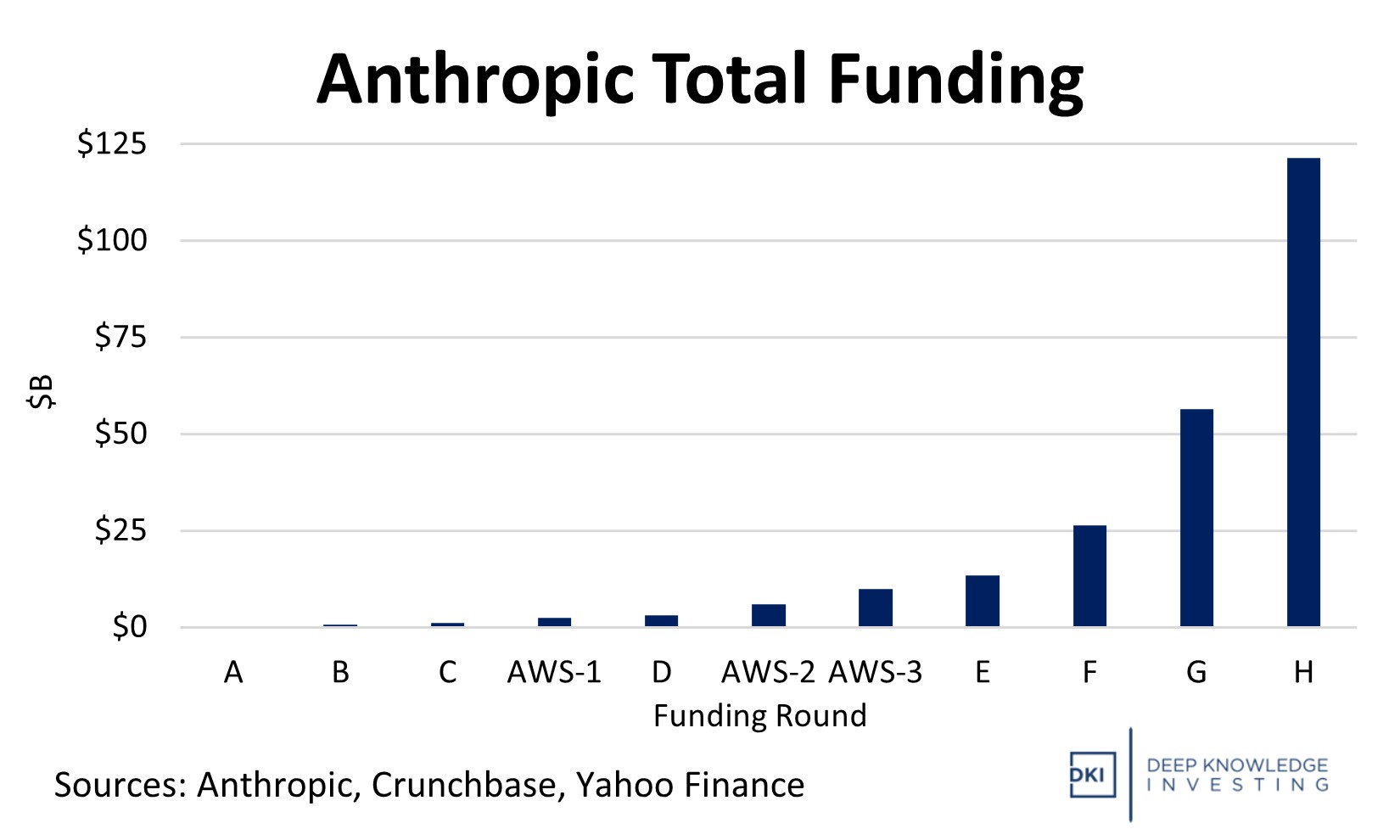
Were investors told that management wanted to slow development?
DKI Takeaway: AI labs like Anthropic want government regulation written on their own terms. This squeezes out open-source rivals and pulls up the ladder preventing competition from smaller start-ups who would face regulation Anthropic and OpenAI didn’t. This is a regulatory moat masquerading as caution. None of these companies are slowing down their capex, hiring, or fundraising. AI development should be free, with users allowed to choose from thousands of open models competing for their tokens. Government regulations would prohibit open-source models and reduce consumer options. Anthony Pompliano wrote a great article describing this in detail. Finally, does anyone believe China will slow development, or is this part of a CCP operation to cripple AI development and data center construction in the US?
3) Bitcoin is a Currency:
This week, DKI released a new white paper co-authored by former DKI intern, Alex Petrou. We define a currency as something you can use to make daily purchases like (you guessed it) a coffee. I spent a month in El Salvador and can report that Bitcoin is absolutely a currency. I was able to use it to make purchases by opening an app and scanning a QR code. It’s faster, easier, and safer than using a credit card because I maintained control of the amount throughout the transaction. El Salvador has a dollar-based economy, but merchants were happy to receive Bitcoin. Instead of paying 2% – 3% to credit card companies and getting their money in a month, they pay negligible fees and receive their sats immediately through the Lightening network.
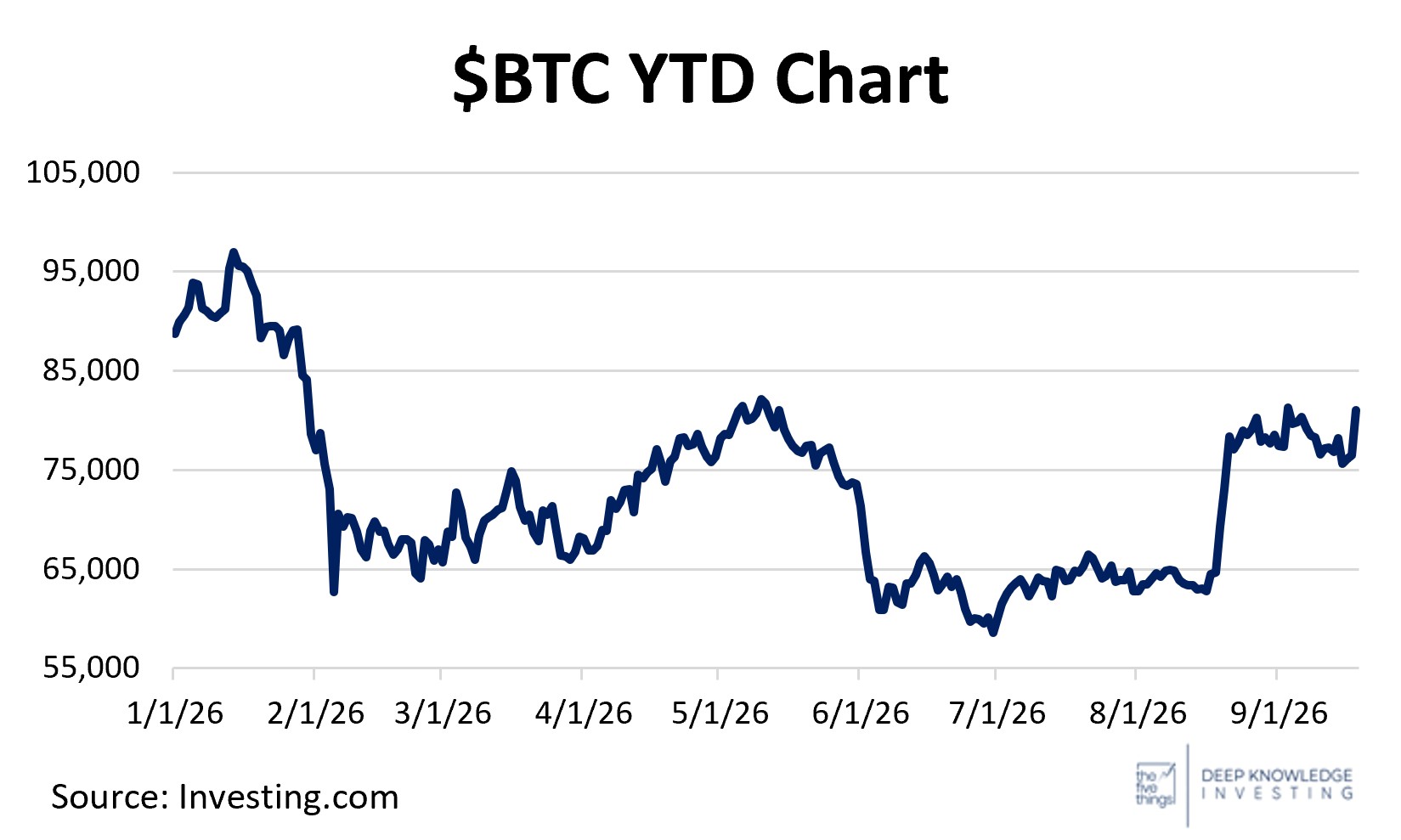
A store of value, an investment, a currency, technology enabling you to be your own bank. Which is it for you?
DKI Takeaway: After checking out multiple Bitcoin wallet apps (detailed in the white paper), I examined the question of whether you should use Bitcoin for purchases. The answer is it depends on your financial situation. For some reading this, banks and credit card companies pay us to use their services. They pay for deposits, offer interest in checking accounts, reimburse for ATM withdrawals, and offer cash back to use credit cards. Using a Bitcoin wallet app could cost as little as 1% – 2%, but between that cost and the credit card cash back, a wealthy person could be paying as much as 5% more to use Bitcoin as a currency. If you’re someone who pays fees to your bank to have a checking account, pays annual fees to have a credit card, pays debit card fees, and has to pay constantly-growing ATM fees to access your cash, then using Bitcoin is going to be a cheaper better alternative. The whole white paper is available on the DKI site and on X.
4) ProCap Financial’s Big Week:
It was a big week at ProCap Financial ($BRR). For the second time this month, the company sold a small amount of Bitcoin and bought back more than 2% of the shares outstanding at a discount to net asset value (NAV). CEO, Anthony Pompliano, and CFO, Renae Cormier, have demonstrated continued willingness to reduce the size of the company if it creates value for shareholders. In addition, the company announced it will be added to the Russell 2000 and the Russell 3000 indexes at the open on Monday which will lead to some non-discretionary buying.
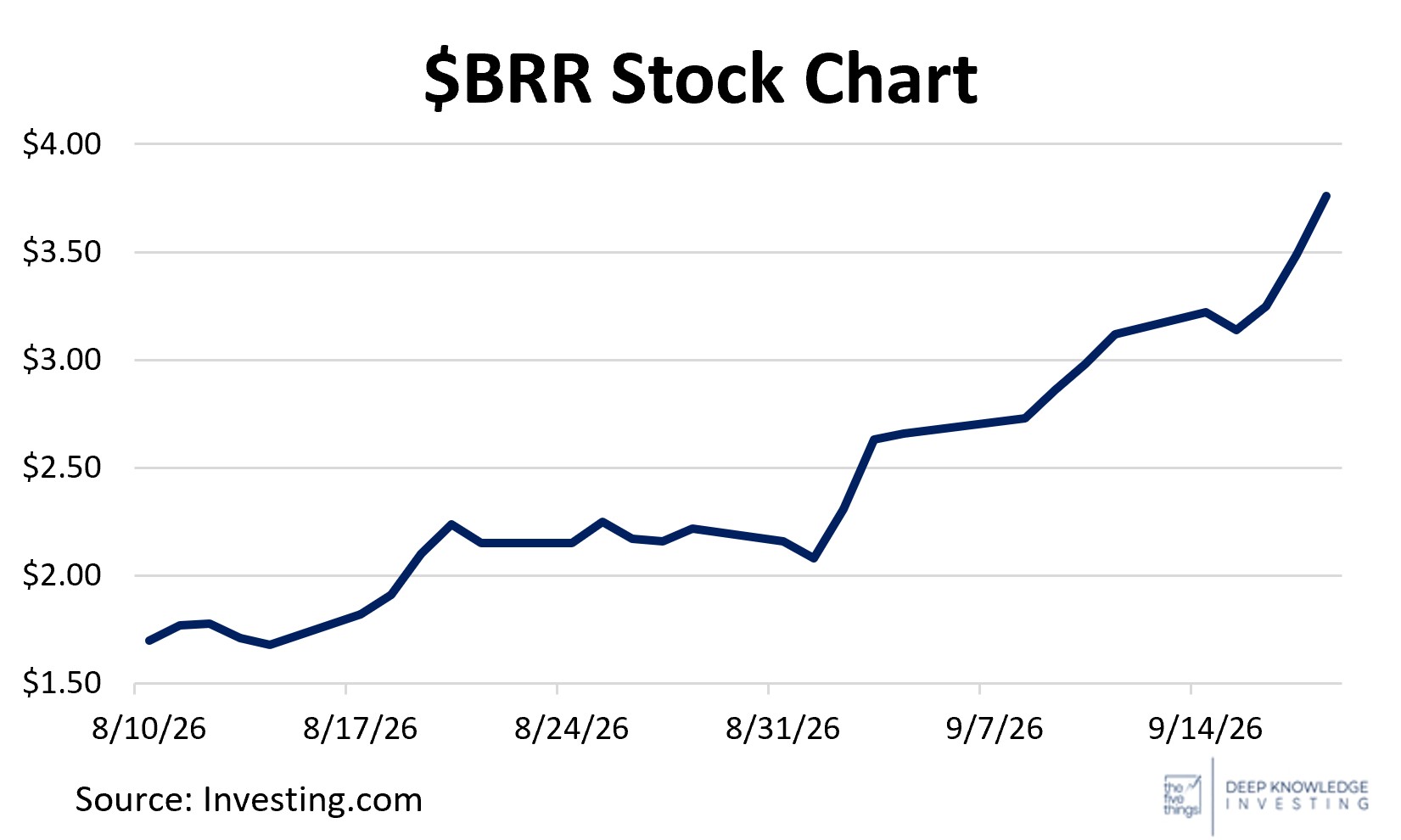
Up more than 100% since DKI bought it last month.
DKI Takeaway: The press release announcing the index additions had some relevant financial information. Assets being tracked by the company AI, CFO Silvia, are $60B, a 20% increase from the $50B announced last month. 25% of monthly active users have upgraded to the paid version, an incredible conversion rate. This demonstrates the value early adopters see in having access to Silvia. The stock is up more than 100% since DKI first bought it last month and the discount to NAV has collapsed from 33% at our first purchase to 3% in early trading on Friday.
5) Educational Topic: Oil and Gas Limited Partnerships:
Limited partnerships are a common form of direct participation programs (DPP). These let you participate in the profits and losses of a business directly. In a limited partnership, the general partners run the business and assume unlimited risk while the limited partners are the investors (and therefore assume limited risk). Oil and Gas LPs invest in different types of oil wells and are typically illiquid investments. Income/Stripper Wells invest in proven oil wells. Developmental/Step-out Wells drill near proven wells. Exploratory/Wildcat Wells fund drilling in unproven areas. The risk and returns of the investments may follow that order as well.

DKI Takeaway: Oil and Gas LPs incur intangible drilling costs (IDCs; e.g., relocation, labor, and fuel costs) along with depletion allowances (tax deductions for each barrel of oil removed to offset declining production). In practice, an income well would likely have low/no IDCs due to the lack of relocation, while the opposite may be true for exploratory wells. However, many of these LPs are designed for accredited investors interested in this niche. The passing on of losses used to be a great way for investors to reduce their taxable income. However, these LPs have declined in popularity after the 1986 Tax Reform Act, which restricted the tax shelter so losses could only offset passive income rather than an investor’s total income.
Information contained in this report is believed by Deep Knowledge Investing (“DKI”) to be accurate and/or derived from sources which it believes to be reliable; however, such information is presented without warranty of any kind, whether express or implied and DKI makes no representation as to the completeness, timeliness or accuracy of the information contained therein or with regard to the results to be obtained from its use. The provision of the information contained in the Services shall not be deemed to obligate DKI to provide updated or similar information in the future except to the extent it may be required to do so.
The information we provide is publicly available; our reports are neither an offer nor a solicitation to buy or sell securities. All expressions of opinion are precisely that and are subject to change. DKI, affiliates of DKI or its principal or others associated with DKI may have, take or sell positions in securities of companies about which we write.
Our opinions are not advice that investment in a company’s securities is suitable for any particular investor. Each investor should consult with and rely on his or its own investigation, due diligence and the recommendations of investment professionals whom the investor has engaged for that purpose.
In no event shall DKI be liable for any costs, liabilities, losses, expenses (including, but not limited to, attorneys’ fees), damages of any kind, including direct, indirect, punitive, incidental, special or consequential damages, or for any trading losses arising from or attributable to the use of this report.